





Portable Golf Launch Monitors
Take your game anywhere with portable golf launch monitors designed for practice at home, the range, or on the course. Our portable launch monitors deliver professional-grade data on ball speed, spin rate, and launch angle in compact, travel-ready designs. From budget-friendly options under $500 to tour-level systems, each portable launch monitor combines accurate shot tracking with easy setup for practice sessions anywhere.





Choosing the Best Portable Golf Launch Monitor
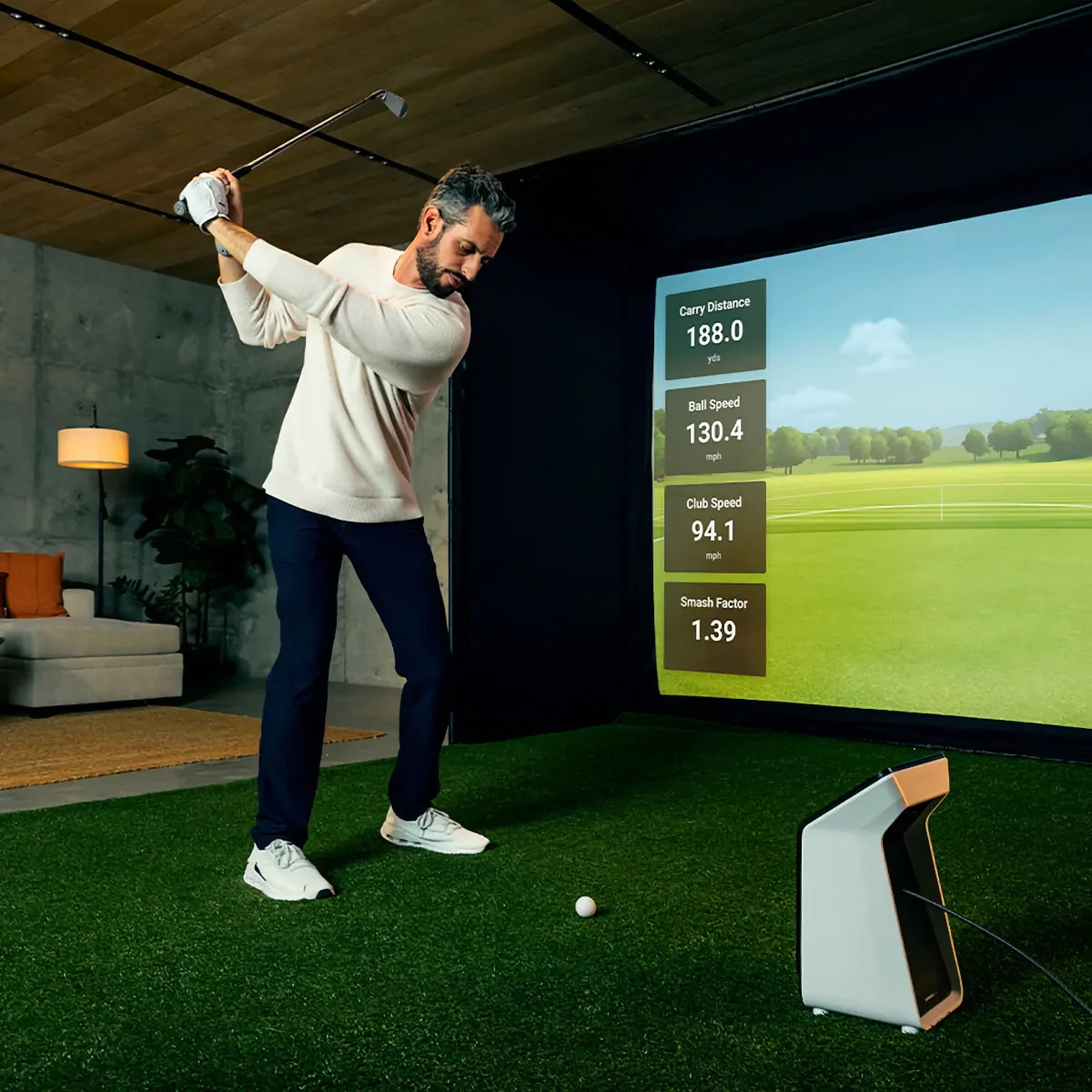
Portable golf launch monitors revolutionized practice by delivering professional shot data without permanent installations or simulator rooms. Unlike fixed systems requiring dedicated spaces, portable launch monitors work at driving ranges, in backyards, at golf courses, and in home practice nets — providing accurate feedback wherever you swing.
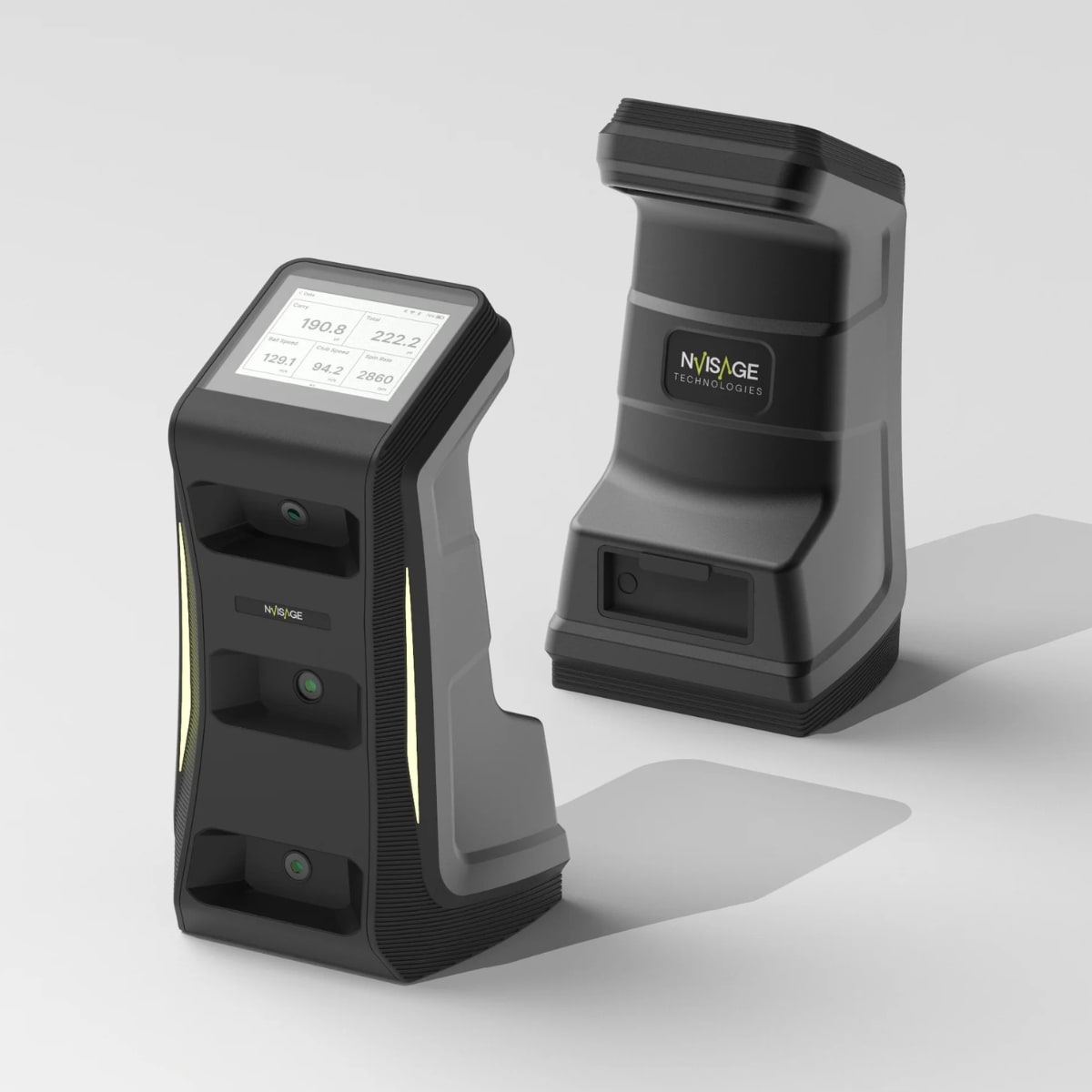
Our curated selection includes portable launch monitors from Rapsodo, GolfJoy, Garmin, Full Swing, and Uneekor, ranging from budget-conscious options to tour-caliber systems. Each portable launch monitor balances measurement accuracy, setup convenience, and durability for golfers who practice in multiple locations.
Understanding Portable Launch Monitor Technology
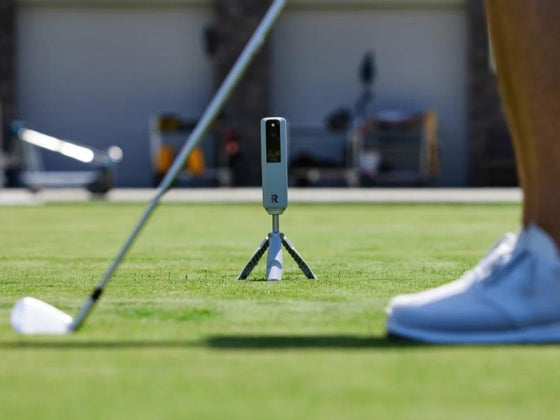
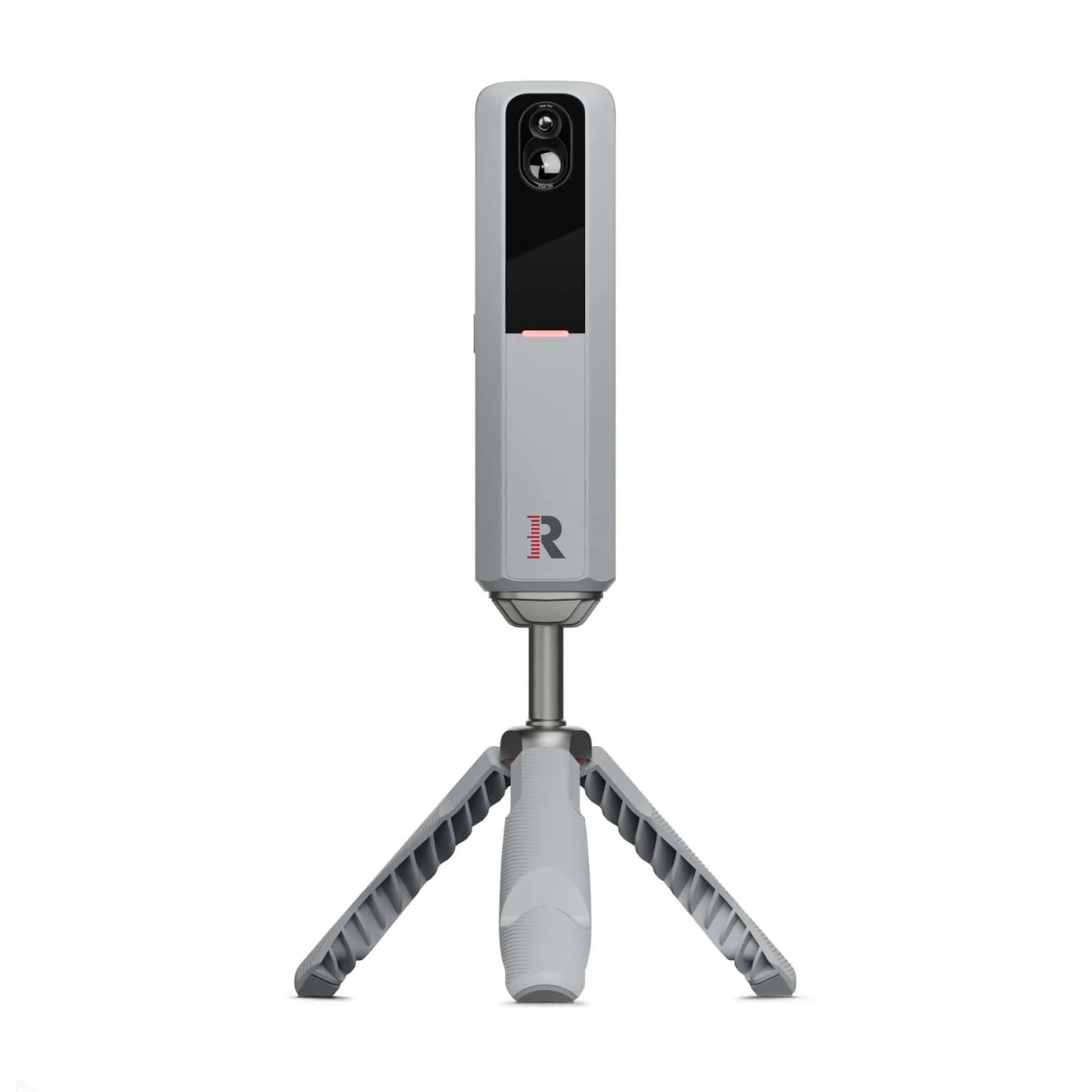
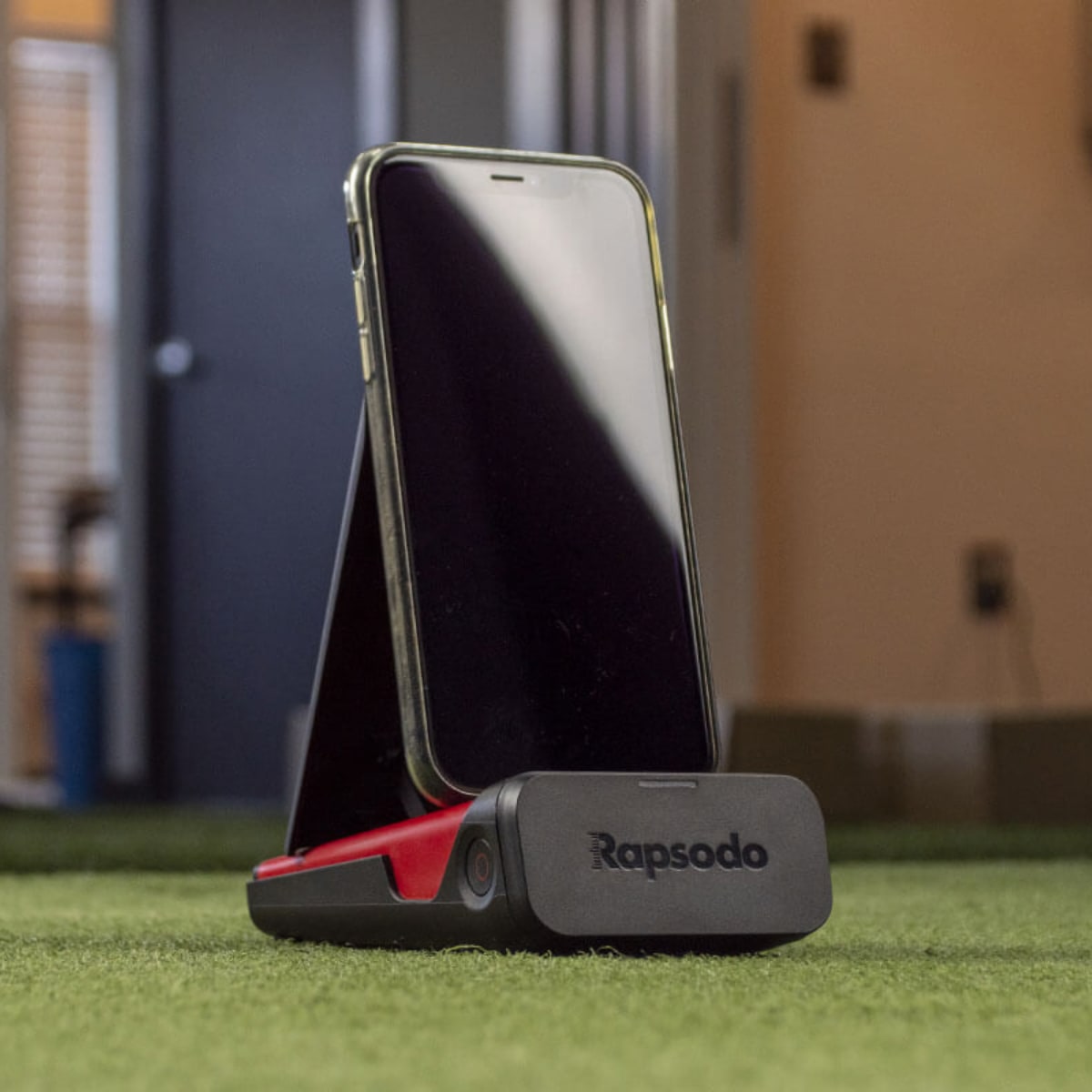
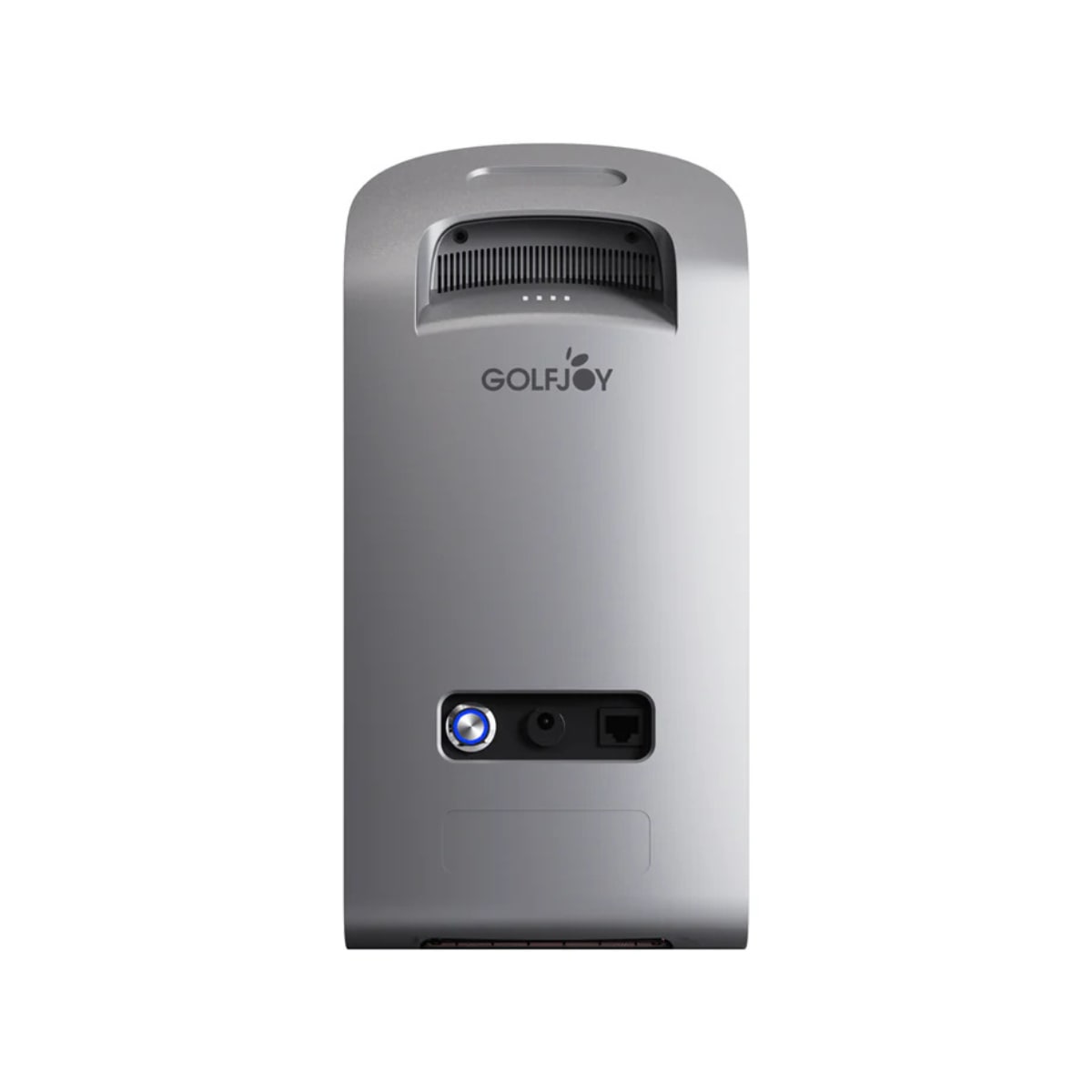
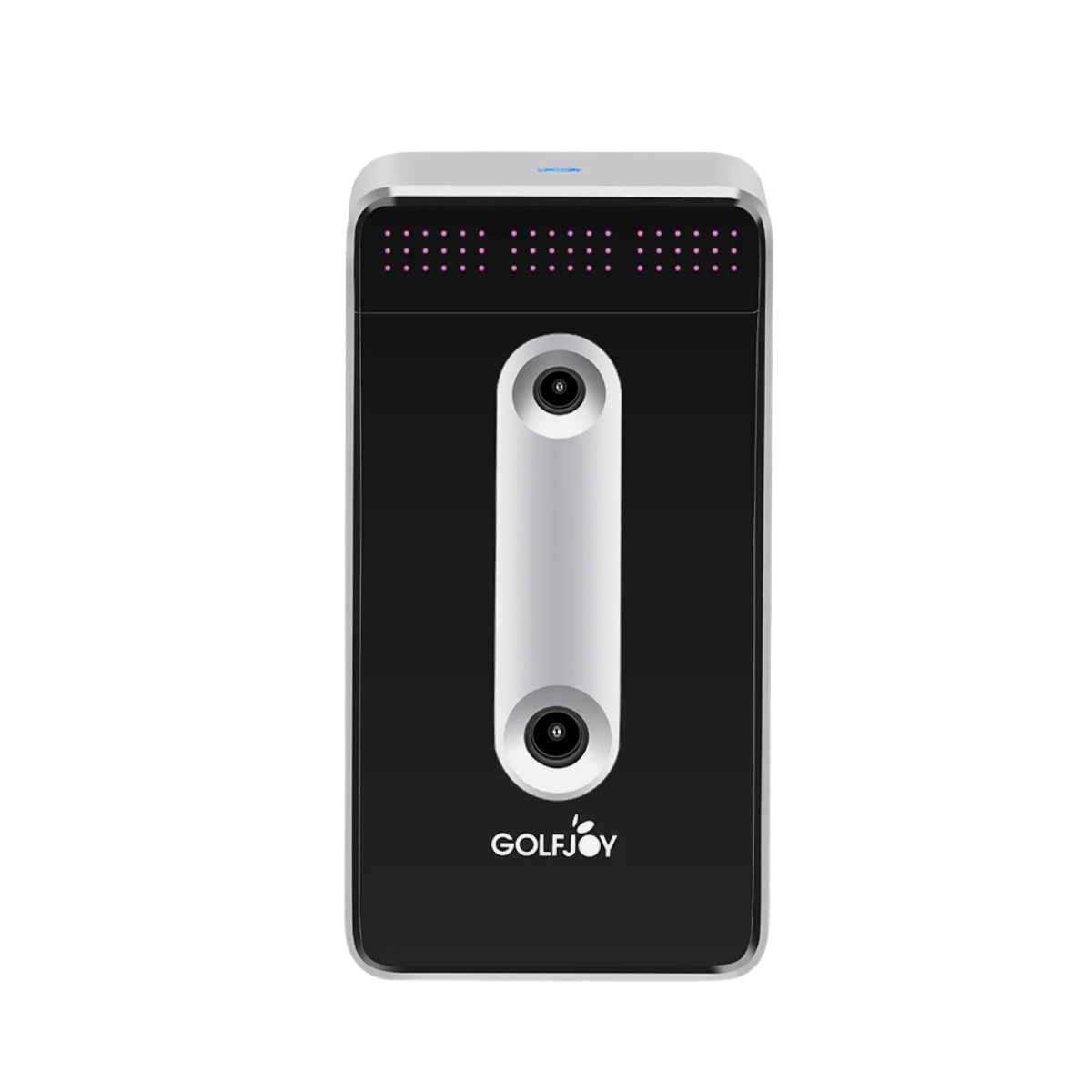
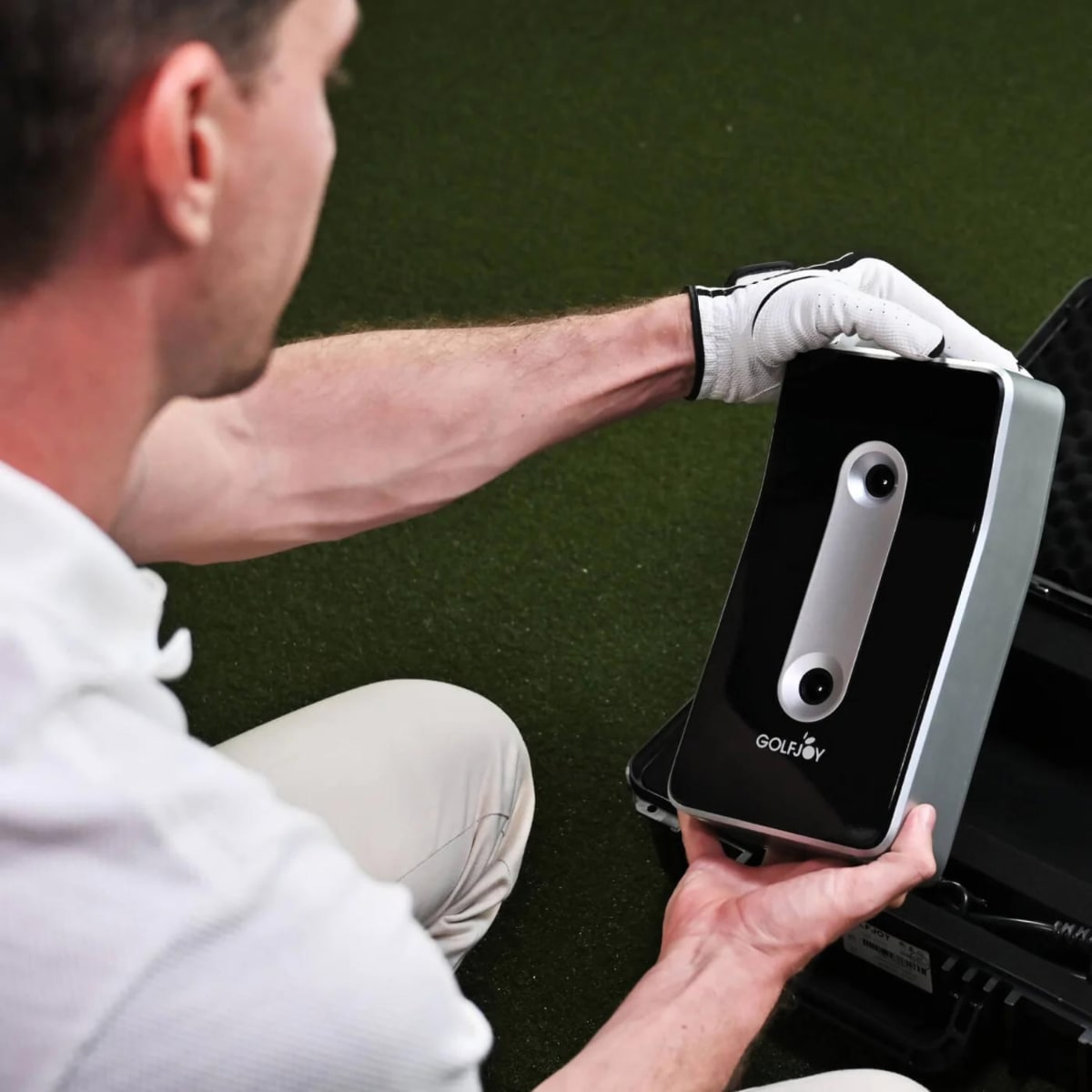
Modern portable golf launch monitors use two primary technologies: photometric (camera-based) systems and radar-based tracking. Camera systems like Rapsodo MLM2PRO and GolfJoy GDS capture images of ball flight immediately after impact, analyzing spin, launch angle, and trajectory. These portable launch monitors require positioning behind the hitting zone with clear views of the ball.
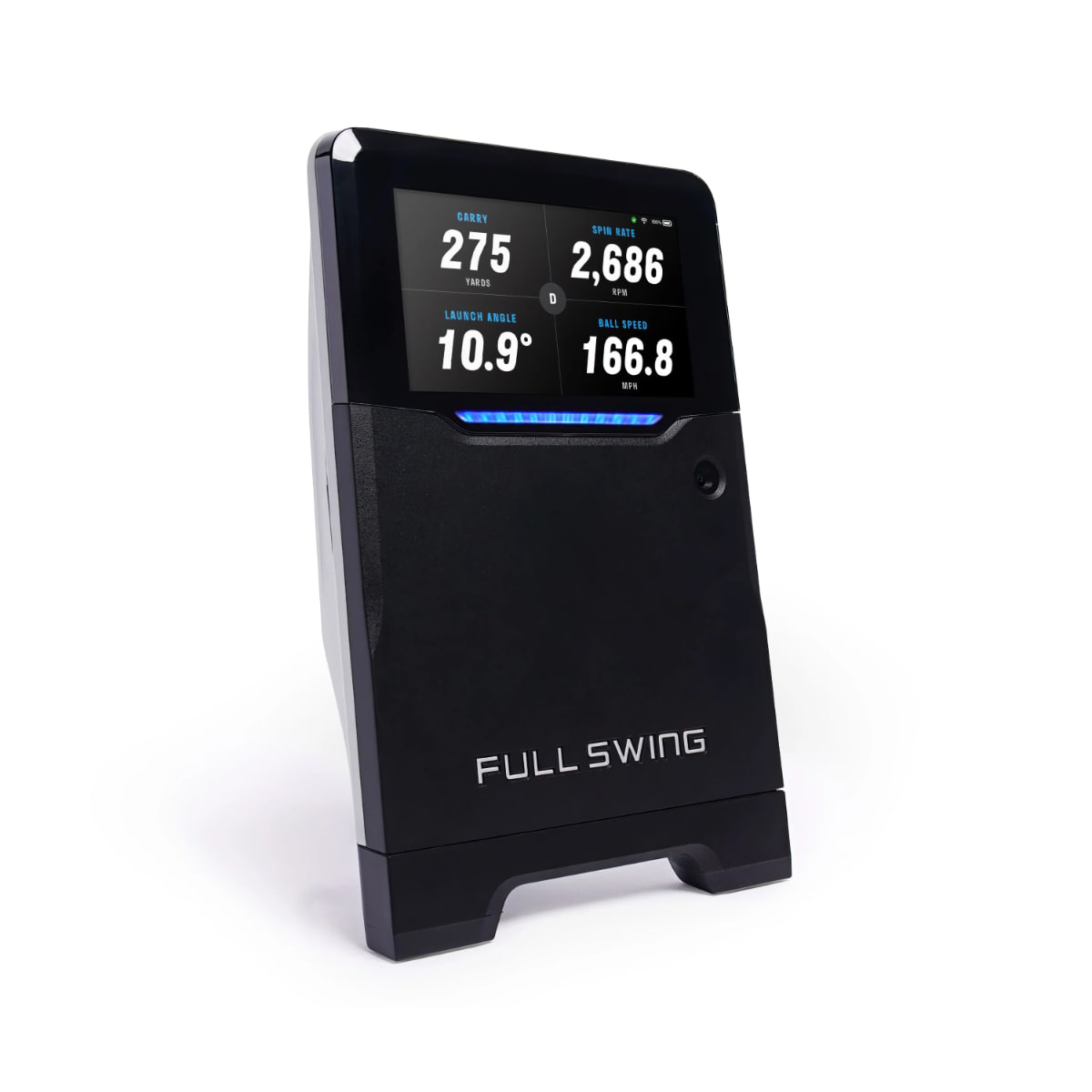
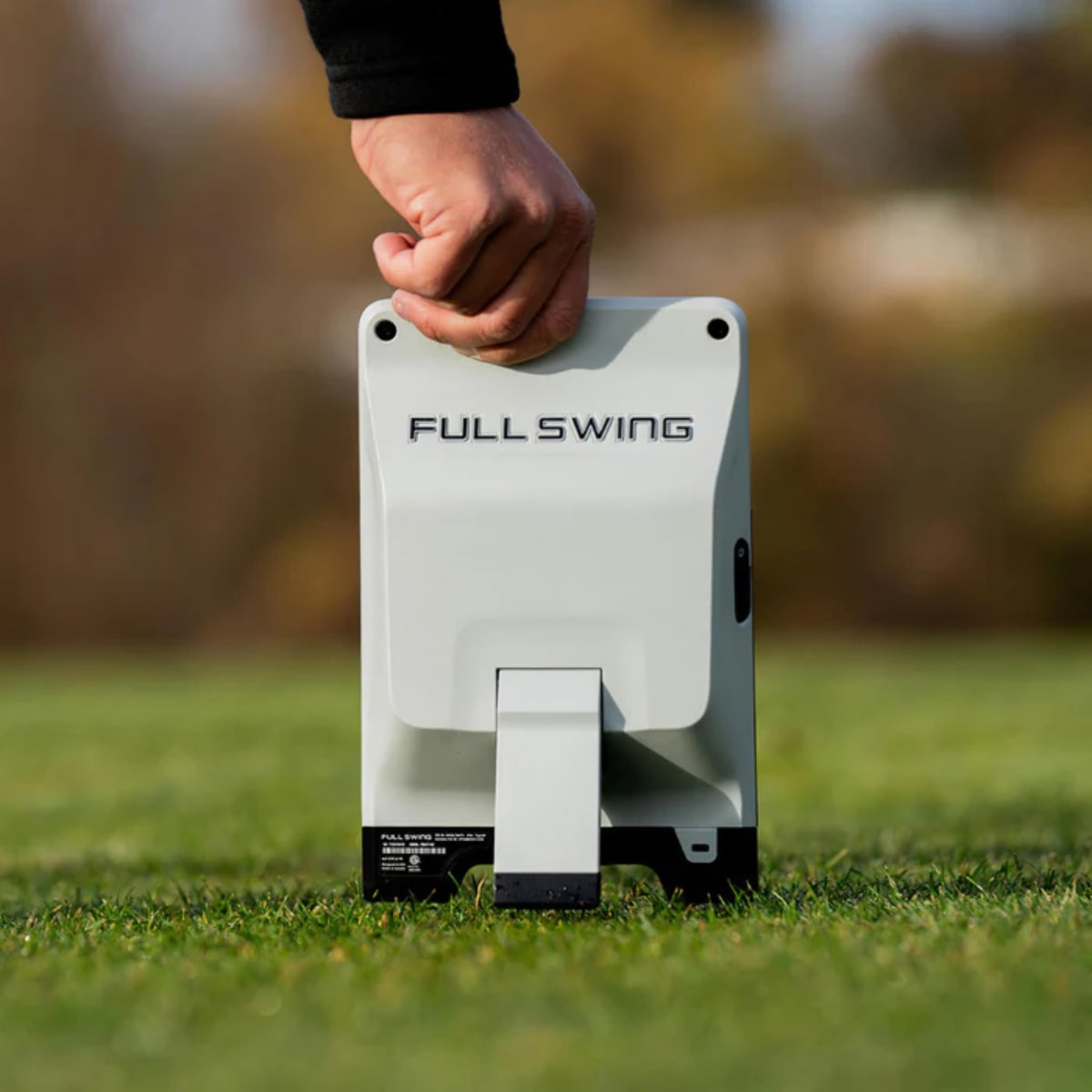
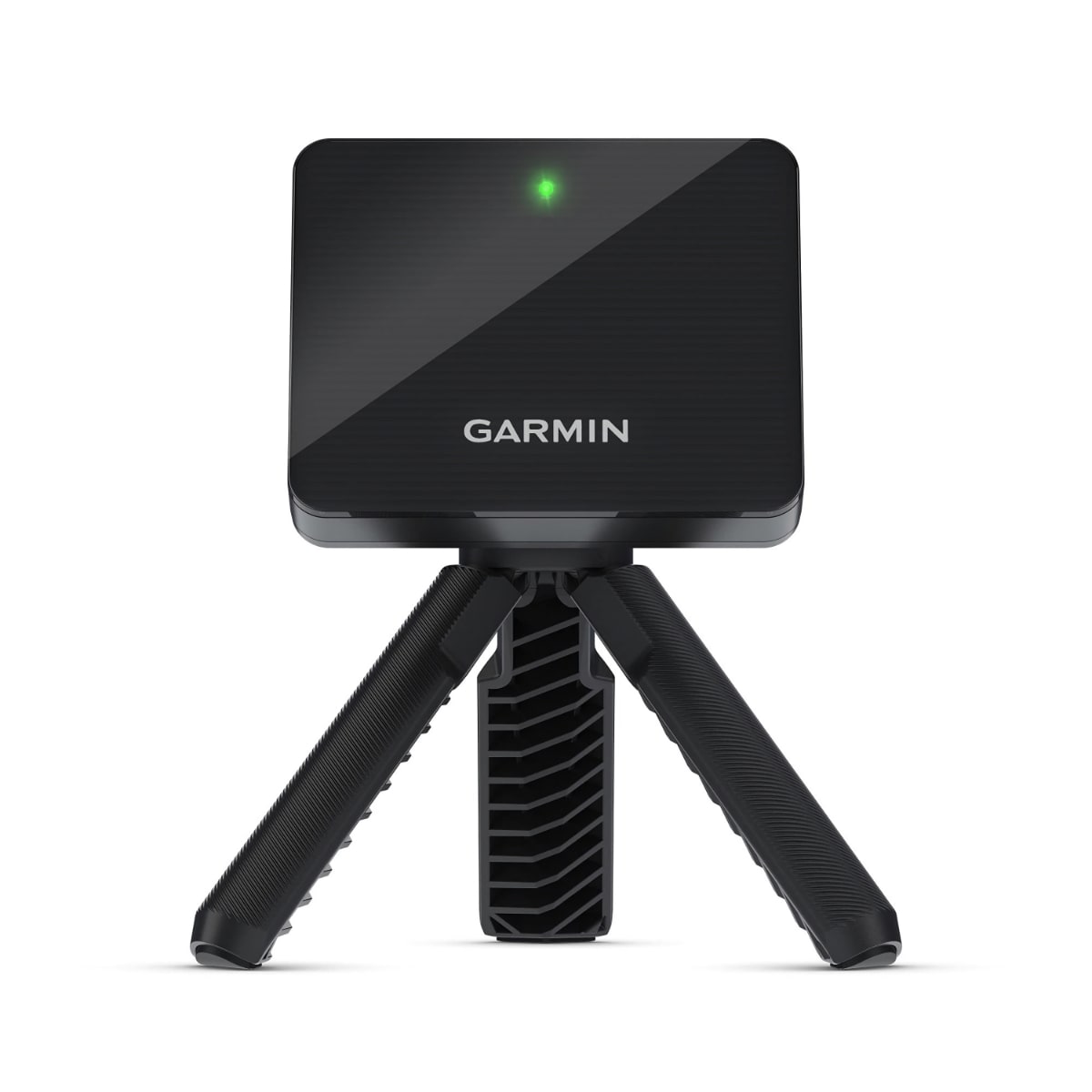
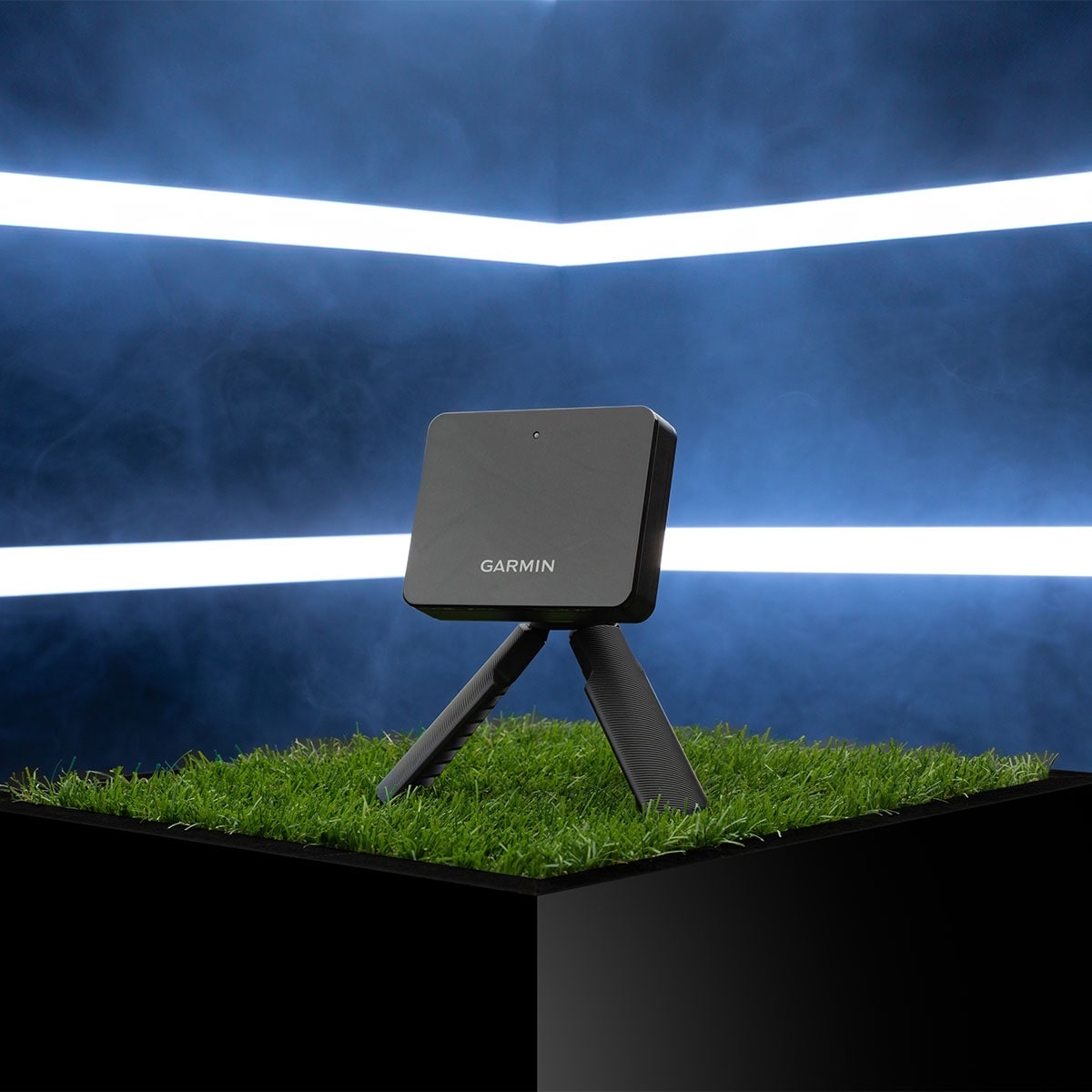
Radar-based portable launch monitors including Garmin Approach R50 and Full Swing KIT mount behind or beside golfers, using Doppler technology to track ball flight throughout its trajectory. Radar systems work in any lighting conditions and don't require specific positioning relative to the ball, making them ideal for outdoor practice in varying environments.
Hybrid systems combine both technologies, leveraging camera precision for spin measurement with radar accuracy for ball flight tracking. These advanced portable launch monitors deliver the most comprehensive data but typically command premium pricing.
Best Portable Launch Monitors for Different Budgets
Entry-level portable golf launch monitors under $700 include the Rapsodo MLM2PRO and Garmin Approch R10. These systems provide essential metrics — ball speed, club speed, smash factor, and estimated distance — sufficient for most recreational golfers working on swing fundamentals and club gapping.
Mid-range options ($1,500-$3,500) like GolfJoy GDS Pro and Spica 3 add spin data, launch angle precision, and club path analysis. These portable launch monitors integrate with popular simulation software, enabling both outdoor practice with data feedback and indoor simulator sessions with the same device.
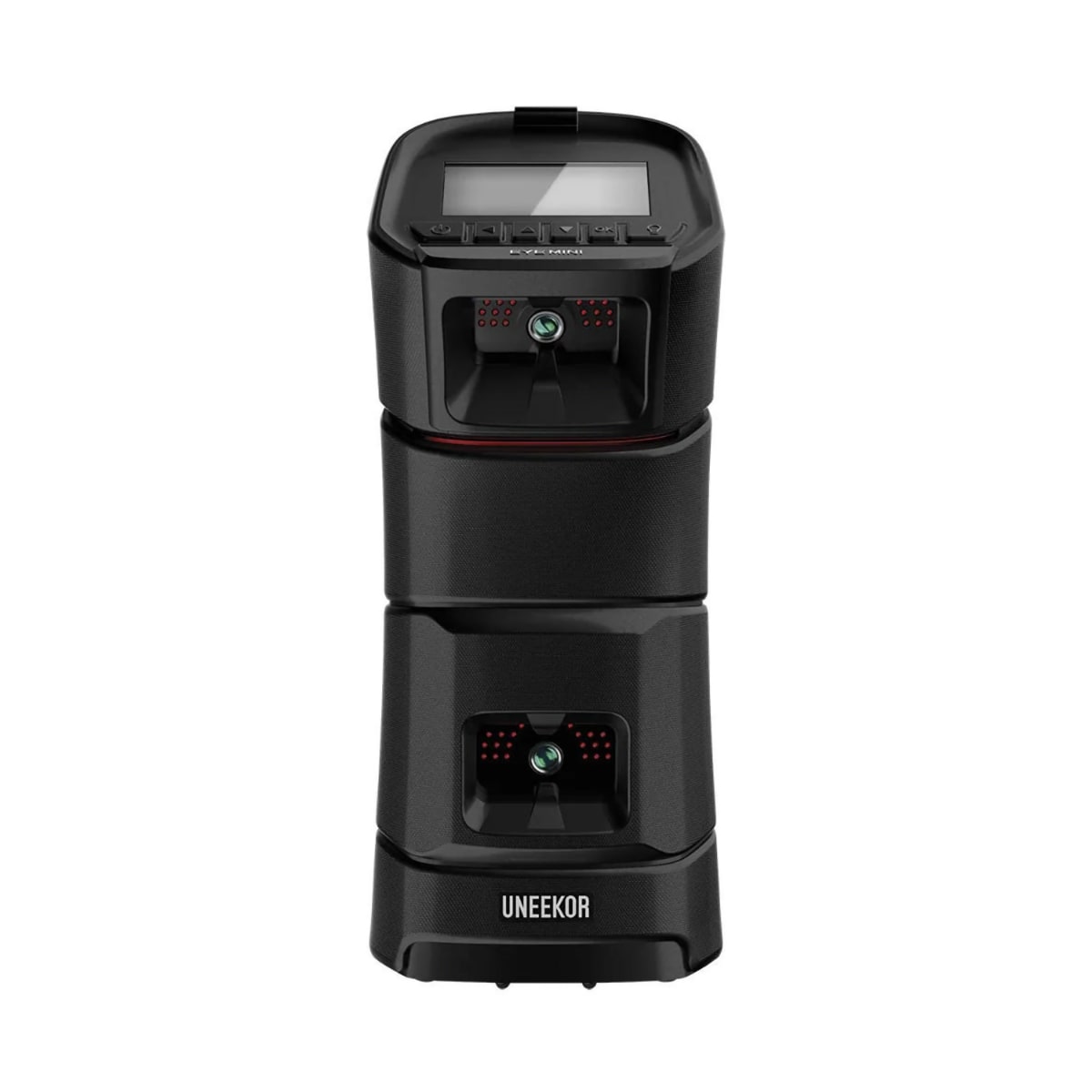
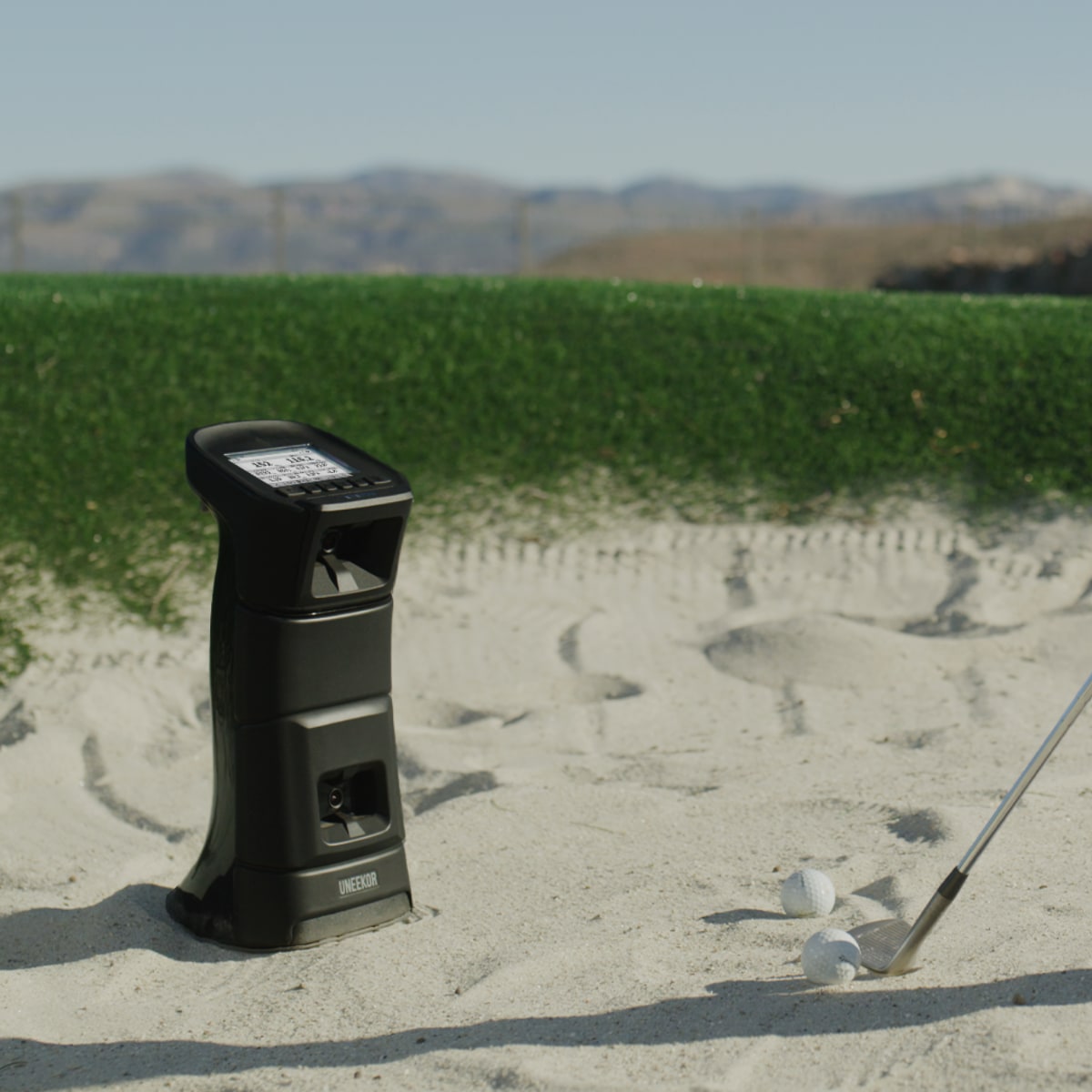
Premium portable launch monitors ($3,500-$6,000) including Garmin Approach R50, Full Swing KIT, and Uneekor EYE MINI deliver tour-level accuracy across all metrics. Professional fitting studios and serious players use these systems for precise club fitting, swing analysis, and performance validation. Data accuracy rivals fixed installation systems costing significantly more.
Portable Launch Monitors for Outdoor vs Indoor Use
Outdoor-focused portable golf launch monitors must handle sunlight, varying weather, and longer shot distances. Radar systems excel outdoors — devices like Garmin Approach R50 track full ball flight to 400+ yards, providing accurate landing positions and total distance calculations. These portable launch monitors work anywhere you can hit balls without special setup requirements.
Indoor portable launch monitors face different challenges — limited space, lighting control, and shorter distances before ball impact with nets or screens. Camera-based systems like Rapsodo MLM2PRO perform excellently indoors, requiring only 8-10 feet of space and providing accurate data from net shots. Many portable launch monitors include indoor/outdoor modes optimizing measurements for different environments.
Dual-purpose systems offering both capabilities provide maximum versatility. The Garmin Approach R50 and Full Swing KIT work seamlessly indoors and outdoors, automatically adjusting measurement parameters. Golfers practicing year-round benefit from portable launch monitors handling both basement simulator sessions and summer range practice with identical accuracy.
Portable Launch Monitor Accuracy and Reliability
Accuracy matters most when using portable golf launch monitors for club fitting, swing changes, or performance tracking. Premium systems achieve ±1-2% accuracy on ball speed and spin rate — matching fixed photometric bays used by professional club fitters. Budget portable launch monitors typically deliver ±5% accuracy, acceptable for general practice but less reliable for precise fitting work.
Consistent setup affects portable launch monitor accuracy significantly. Camera systems require precise positioning relative to ball position — moving units between shots or inconsistent ball placement creates measurement variations. Radar systems offer more setup flexibility but demand proper alignment with target lines for accurate directional data.
Environmental factors impact portable golf launch monitors differently. Direct sunlight overwhelms some camera systems, while radar devices handle any lighting. Wind affects radar calculations for outdoor shots. Temperature extremes impact battery life and screen visibility. Consider your typical practice conditions when selecting portable launch monitors.
Integration with Golf Simulation Software
Many portable golf launch monitors connect to simulation software, transforming them into complete practice studios. Rapsodo MLM2PRO integrates with MLM app providing shot dispersion analysis and virtual range practice. Garmin systems work with Garmin Golf app plus third-party platforms including E6 CONNECT and GSPro.
Premium portable launch monitors support professional simulation software used in commercial facilities. Full Swing KIT and Uneekor EYE MINI work with TGC 2019, E6 CONNECT, and GSPro, enabling home simulator builds using portable hardware. These systems cost significantly less than fixed photometric installations while delivering comparable accuracy.
Software subscriptions vary by portable launch monitor brand. Some include free basic apps with upgrade options for advanced features. Others require ongoing subscriptions for simulation play or detailed analytics. Factor software costs into total ownership expenses when comparing portable launch monitors.
Battery Life and Portability Features
True portability requires adequate battery life for range sessions or on-course practice. Most portable golf launch monitors provide 4-8 hours continuous use per charge — sufficient for typical practice sessions. Units with shorter battery life limit outdoor use away from power sources.
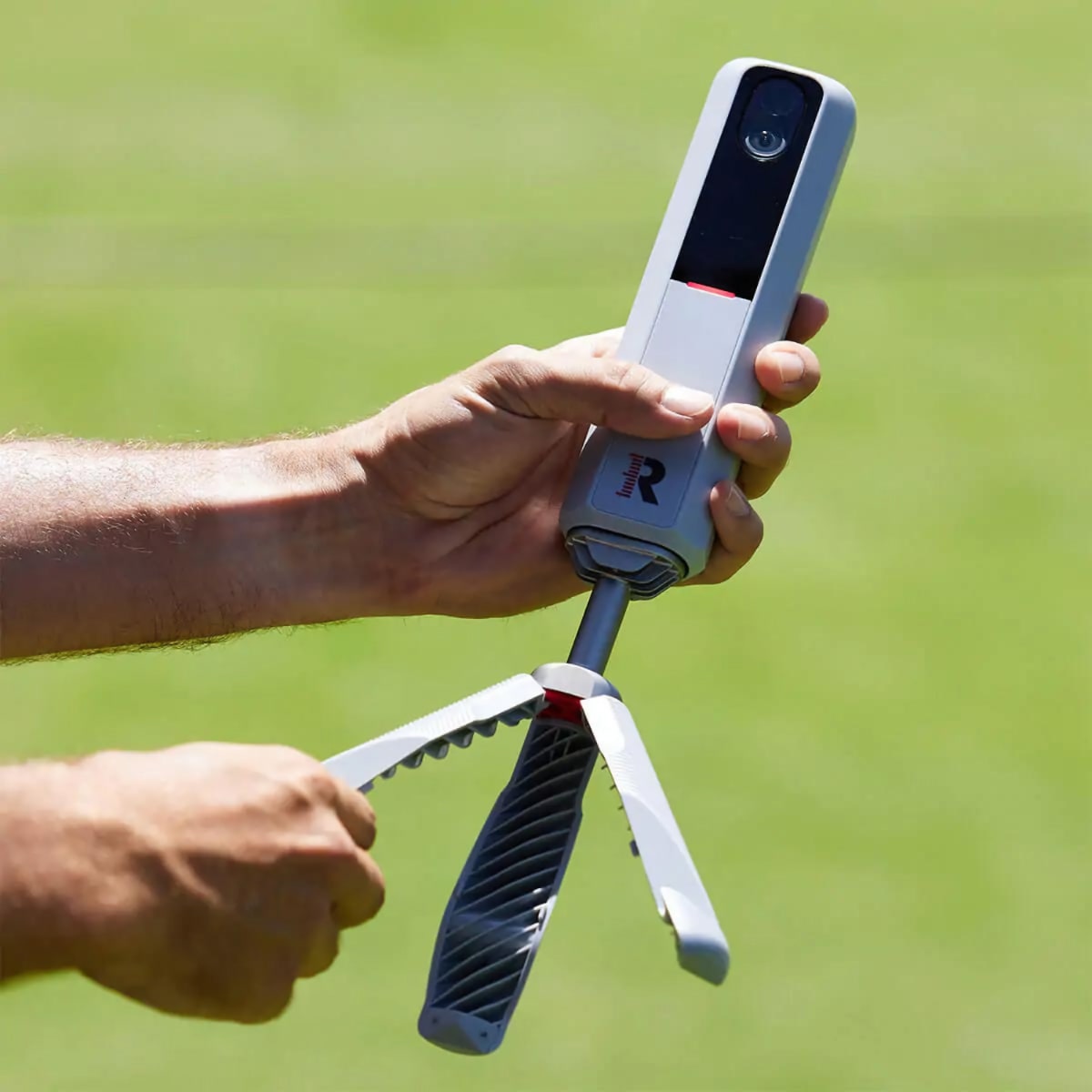
Physical size and weight matter for golfers frequently transporting equipment. Compact models like Rapsodo MLM2PRO fit in golf bags easily, weighing under 2 pounds. Larger systems including Garmin Approach R50 require dedicated carrying cases but offer enhanced capabilities justifying extra bulk.
Setup time differentiates portable launch monitors significantly. Quick-mount systems with simple calibration enable immediate practice, while complex units requiring leveling, alignment, and calibration consume valuable practice time. Consider how often you'll transport and set up devices when prioritizing portability features.
Portable Launch Monitors for Club Fitting
Serious golfers use portable launch monitors for DIY club fitting, testing shaft options, loft adjustments, and club specifications. Accurate spin measurement proves essential for fitting — ball speed alone provides insufficient information for optimizing equipment. Camera-based portable launch monitors excel at spin capture, making them valuable fitting tools.
Premium portable golf launch monitors including Uneekor EYE MINI and Full Swing KIT rival professional fitting systems costing $15,000+. Club fitters use these portable units for mobile fitting services, on-course testing, and backup systems. Data accuracy matches fixed installations at fraction of the price and space requirements.
Budget portable launch monitors work for general club comparisons and length gapping but lack precision for detailed fitting. Spin rate variations of 200-300 RPM — common in entry-level units — create significant uncertainty when optimizing driver lofts or wedge bounces. Invest in mid-range or premium systems for reliable fitting data.
Data Metrics and Practice Features
Basic portable golf launch monitors measure ball speed, club speed, smash factor, and estimated carry distance. These metrics suit recreational golfers monitoring general progress and ensuring consistent contact quality. Advanced swing diagnostics require additional measurements.
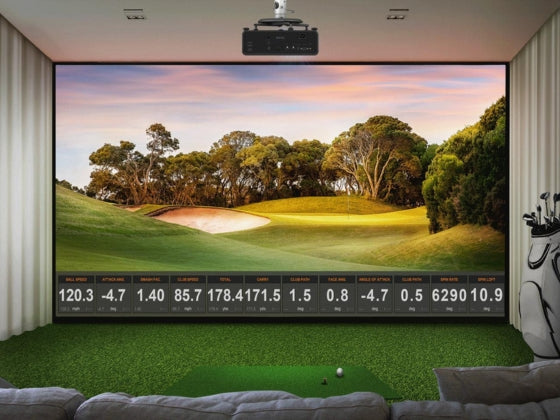
Comprehensive portable launch monitors add spin rate, spin axis, launch angle, club path, face angle, and attack angle. Professional players and serious amateurs need this complete dataset for swing refinement and equipment optimization. Portable launch monitors capturing full metrics enable detailed practice analysis rivaling lesson-quality feedback.
Practice modes enhance portable launch monitor value beyond raw measurements. Target practice features, approach shot games, and long drive competitions maintain engagement during training. Stat tracking across sessions reveals trends and validates swing changes. Cloud syncing preserves data across devices and enables coach sharing.
Durability and Weather Resistance
Outdoor practice exposes portable golf launch monitors to rain, dust, temperature swings, and impacts from errant shots. Ruggedized models withstand harsh conditions better than consumer electronics designs. Check IP ratings indicating dust and water resistance — IP54 or higher suits regular outdoor use.
Screen protection matters for portable launch monitors with integrated displays. Gorilla Glass or similar hardened screens resist scratches from transport and dropping. Replaceable screen protectors add extra insurance for expensive units. Some systems use smartphone apps instead of onboard screens, shifting fragility concerns to existing devices.
Case quality affects portable launch monitor longevity significantly. Hard-shell cases with custom foam cutouts protect during transport and storage. Soft cases save space and weight but provide minimal impact protection. Premium portable launch monitors typically include high-quality cases recognizing the investment value.
Choosing Between Portable and Overhead Launch Monitors
Portable golf launch monitors suit golfers practicing in multiple locations, those lacking dedicated simulator spaces, or players wanting both indoor and outdoor capability in one device. Portability trades some accuracy and features for flexibility and lower costs compared to fixed installations.
Overhead launch monitors make sense for permanent simulator builds, commercial facilities, or serious players prioritizing maximum accuracy over portability. Systems like Uneekor EYE XO2 and ProTee VX deliver marginally better precision but require dedicated mounting, permanent power, and controlled environments.
Many serious golfers own both — fixed systems for home simulators providing optimal indoor accuracy, plus portable launch monitors for range practice and travel. This combination enables year-round practice with data feedback regardless of location or season. Used markets offer affordable options for building dual-system setups.
Shop more: Launch Monitors, Overhead Launch Monitors, Golf Mats, Nets, Impact Screens, Enclosures, Projectors, Computers